 Why THC Percentage Isn't Everything in Cannabis
Beyond the Number: Why THC Percentage Isn’t Everything
For adults 21 and over. This article is about product chemistry and shopping, not medical advice.
Walk up to almost any dispensary counter and you’ll hear the same opening question: “What’s got the highest THC?” It’s a fair instinct, THC is the compound most responsible for cannabis’s signature effects, so more of it should mean a stronger experience, right? Not exactly. Ask experienced consumers, or look at how the plant actually works, and a more interesting picture emerges. THC percentage is one number on a label, but the experience you actually feel is shaped by a whole cast of compounds, how the flower was grown, and even your own body.
The entourage effect: cannabis works as a team
Cannabis contains more than 100 cannabinoids and hundreds of aromatic compounds called terpenes. Researchers use the term “entourage effect” to describe the idea that
these compounds interact, that the overall character of a product comes from the full chemical ensemble rather than THC acting alone. Minor cannabinoids each add their own note to the mix; CBD, CBG, CBC, and CBN are studied for the different ways they may influence how a product comes across. The takeaway isn’t that THC doesn’t matter, it’s that THC is the lead singer, not the whole band. Two products with identical THC numbers can deliver very different sessions depending on everything around it.
Terpenes: the flavor (and personality) behind the high
Terpenes are the aromatic oils that give each strain its smell and taste, citrus, pine, fuel, berry, pepper. But they’re more than scent. Many consumers find that a strain’s terpene makeup is a better predictor of its character than its THC number. A few you’ll see on Root 9 labels:
• Myrcene: earthy and musky, common in mellow, wind-down cultivars.
• Limonene: bright and citrusy, often found in upbeat, daytime-leaning strains.
• Pinene: fresh and piney, associated with clear-headed, focused profiles.
This is why a 20% THC flower loaded with terpenes can feel more dynamic and flavorful than a 30% flower with a flat aroma. The number on the label doesn’t capture the smell, and the smell tells you a lot. (Effect descriptions here reflect common consumer impressions, not guaranteed outcomes.)
How it’s grown and cured matters too
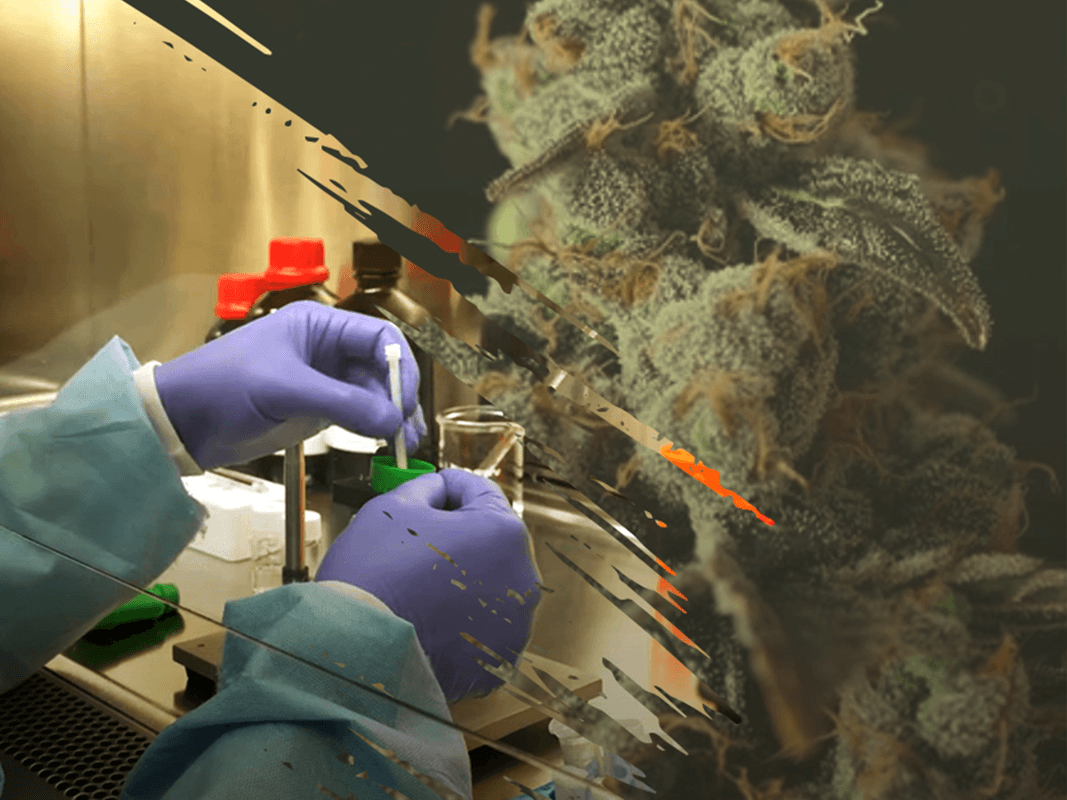
Cannabis is an agricultural product, and like any crop, quality comes down to how it was raised. Two batches of the same strain can land very differently depending on cultivation and post-harvest care. Signs of well-grown, properly cured flower include:
• A strong, distinct aroma
• Visible, frosty trichomes (the tiny resin glands)
• Proper moisture, not bone-dry, not damp
• Well-preserved terpene content
A beautifully grown, carefully cured flower often delivers a richer experience than a higher-THC batch that was rushed or stored poorly. Freshness and handling protect the terpenes that make the whole thing worthwhile.
Your own chemistry is part of the equation
Here’s the part no label can print: cannabis affects everyone a little differently. Your tolerance, metabolism, the setting you’re in, and your individual physiology all play a role. The same product can feel energizing to one person and mellow to another. That’s exactly why chasing a single “strongest” product rarely works, the better approach is finding what consistently suits you. Start modestly with anything new, take note of what you enjoy, and build from there.
A classic example of balance over numbers
Take a long-running favorite like Blue Dream. It often tests in a moderate THC range compared with today’s chart-topping strains, yet it’s stayed beloved for years. The reason is its balance: a berry-sweet, lightly earthy aroma driven by a blend of terpenes that many describe as uplifting and easygoing at once. It’s approachable for newcomers and satisfying for veterans, proof that great cannabis is defined by its overall chemistry, not by topping the THC leaderboard.
The supporting cast: minor cannabinoids
THC and CBD get the headlines, but a handful of lesser-known cannabinoids round out a product’s character, and you’ll increasingly see them listed on New York labels:
• CBD (cannabidiol): non-intoxicating and often paired with THC in balanced products.
• CBG (cannabigerol): sometimes called the “mother cannabinoid” because others form from it; usually present in small amounts.
• CBN (cannabinol): forms as THC ages; common in older or specially made products.
• CBC (cannabichromene): a minor cannabinoid that adds to the overall profile.
• THCV: structurally related to THC and present in some specific cultivars.
We’re not making any health claims about these, the point is simply that a label showing a mix of cannabinoids is describing a more complex product than one number can capture.
How to read a New York dispensary label
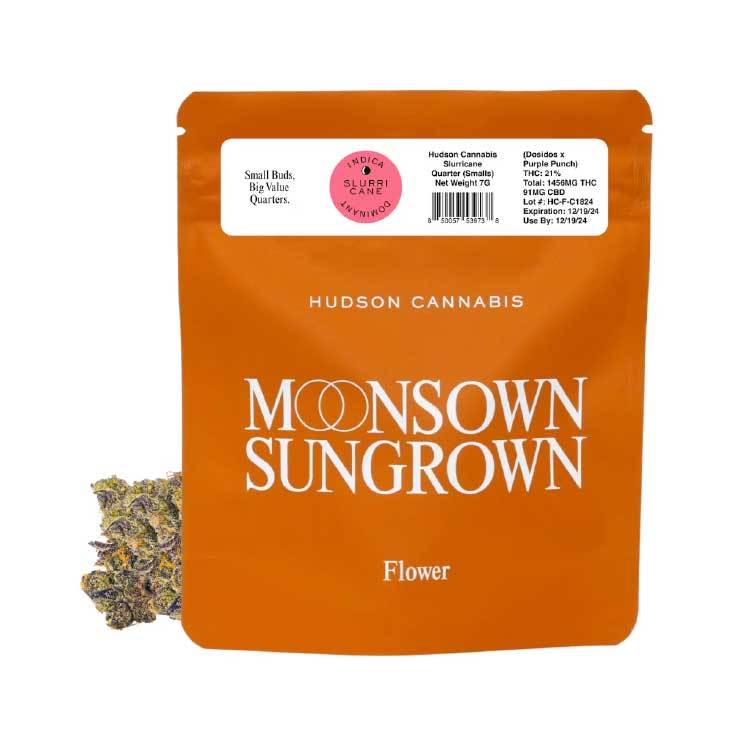
Licensed NY products carry a lot of useful information beyond the big THC figure.
Learning to scan a label helps you compare products like a pro:
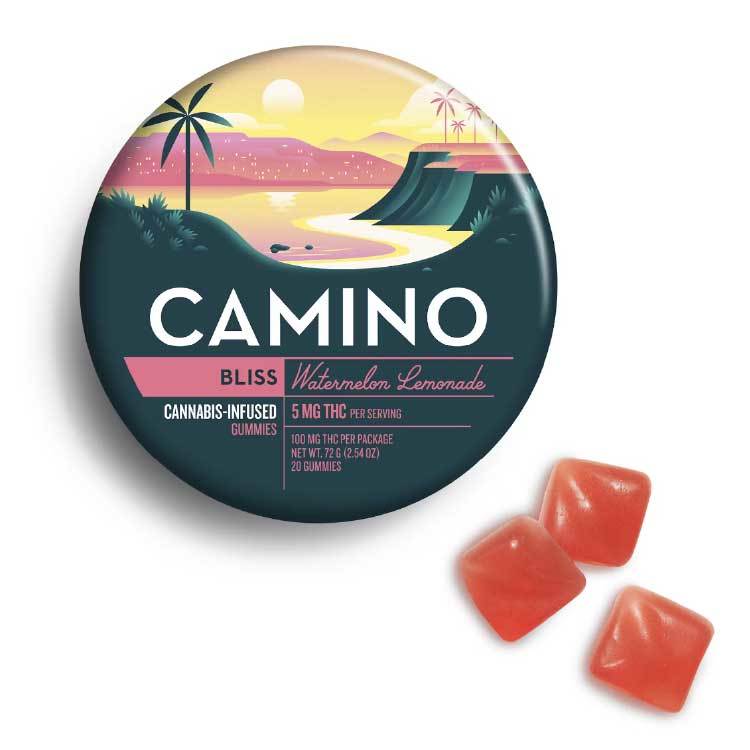
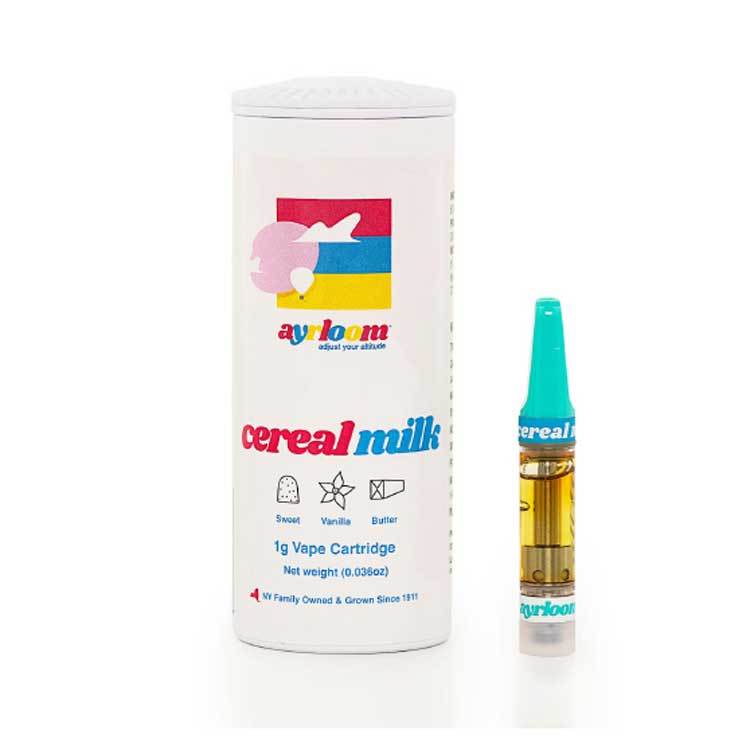
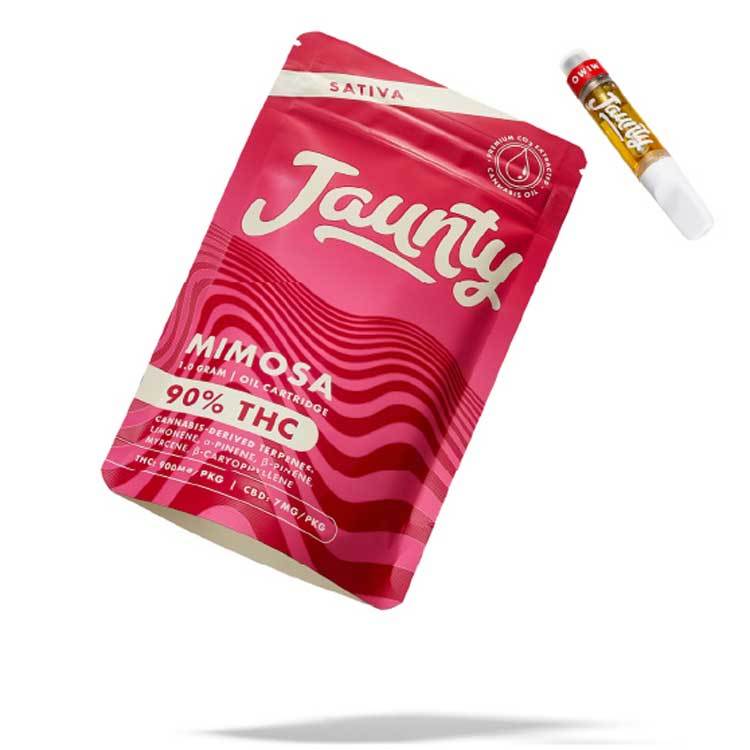
• Total THC and total cannabinoids: the headline numbers, but only part of the story.
• Terpene profile or dominant terpenes: your best clue to aroma, flavor, and character.
• Batch / harvest date: fresher flower generally means better-preserved terpenes.
• Cultivator and product type: tells you who grew it and how it was made.
• OCM license info and testing: your assurance the product is legal and lab-verified.
Two jars can show the same THC percentage and tell completely different stories once you read past the first line.
Format matters too
How you consume cannabis shapes the experience as much as what’s in it. The same cultivar can feel different as flower, a vape, or an edible, because each format delivers
cannabinoids at a different pace and intensity. Inhaled products tend to come on quickly and fade sooner; edibles arrive gradually and last longer. None of this changes the THC number on the label, which is one more reason that number alone is a poor predictor of how a product will actually suit you.
Why the number on the label can be misleading
Even taken at face value, THC percentages aren’t as precise as they look. Testing can vary between labs and batches, and the figure on the jar reflects a sample, not every gram inside. The market’s focus on ever-higher numbers also pressures the supply chain to chase potency over balance, which is part of why two products with the same percentage can deliver such different experiences. Treat the number as a useful estimate and a starting point, not a guarantee, and lean on aroma, terpenes, freshness, and your own track record to fill in the rest.
A quick way to shop smarter
You don’t need a lab report to buy better. A few habits go a long way:
• Trust your nose. Give the jar a sniff where it’s allowed, a loud, complex aroma is a good sign of strong terpene content.
• Ask for the terpene profile, not just the THC. It tells you far more about how a product will actually come across.
• Ask how it was grown and cured. Cultivation and freshness shape the experience as much as the genetics do.
• Match it to your moment. Daytime or evening, social or solo, the right profile depends on what you’re actually doing.
THC percentage FAQ
Does a higher THC percentage mean a stronger high?
Not necessarily. THC drives intensity, but terpenes, other cannabinoids, cultivation quality, your tolerance, and the consumption format all shape the experience. Many people find a balanced, terpene-rich product more satisfying than a higher-THC one with a flat profile.
What’s a “good” THC percentage?
There’s no universal answer. Newer consumers often do well starting lower and paying attention to terpenes and overall balance; the “best” number is simply the one that fits your goals and tolerance.
Should I ignore THC entirely?
No, it’s useful information, just not the only information. Think of THC as one ingredient on the label rather than the verdict on quality.
Why do some strains feel stronger than their THC suggests?
Often it’s the supporting cast, a rich terpene profile, a fuller range of cannabinoids, and fresh, well-cured flower can all make a moderate-THC product feel more pronounced than a higher number with a flat profile. Your tolerance and setting play a role too.
Is indica always stronger or more sedating than sativa?
Not reliably. The indica/sativa split describes the plant’s lineage more than how it will feel, and terpene content often tells you more about a strain’s character. Plenty of “indicas” come across bright, and plenty of “sativas” feel mellow.
The Root 9 takeaway
Next time you shop, look past the percentage. The most satisfying products tend to combine a balanced cannabinoid profile, rich terpene content, careful cultivation, and a
character that fits the experience you want. Ask a Root 9 budtender about terpene profiles instead of leading with THC, you may walk out with a new favorite the number on the jar never would have pointed you toward.
Adult-use cannabis is legal in New York for adults 21 and older through OCM-licensed dispensaries (see the NY Office of Cannabis Management). Explore flower by aroma and terpene profile on the Root 9 menu, or visit us in Wappingers Falls and tell our team the vibe you’re after, we’ll help you look beyond the number.